The 2026 World Cup is shaping up to be the largest sporting event in history. Forty-eight teams, 104 matches, 16 cities across three countries, and an estimated 10 million visitors over five weeks this summer. From Atlanta to Seattle, Dallas to Miami, the scale of coordination required to keep athletes, fans, and communities safe is staggering.
Behind the scenes, Juvare and many state & local agencies are building something rarely attempted at this scale: a shared, real-time common operating picture that connects emergency operations centers, hospitals, stadiums, and community events across jurisdictional lines, all powered by Juvare Exchange.
The Coordination Challenge
Each of the host cities has its own emergency operations center (EOC), its own agencies, and its own systems. Under normal circumstances, that works fine. But when an event of this magnitude stretches across multiple cities — each hosting matches, managing practice facilities, operating fan festivals, and accommodating hundreds of thousands of visitors — siloed operations and ad hoc coordination aren’t enough. A severe weather event in Atlanta doesn’t just affect the match at Mercedez Benz Stadium; it ripples out to fan fests, hotels, transportation systems, and hospitals across the region. A security incident at a watch party in one city could require coordinated response guidance across every host city within hours.
The question isn’t whether each city can manage its own operations. They can, and they do, every day. The question is how you get all of them looking at the same picture, at the same time, without asking anyone to abandon the systems they already rely on.
Enter Juvare Exchange
Juvare Exchange is a secure data-sharing network that extends WebEOC, Juvare’s widely adopted incident and information management platform, so that organizations can share critical operational data across jurisdictions without giving up control of their own systems or information. Each city maintains its own WebEOC environment, with its own boards, data, and permissions. Juvare Exchange then allows those cities to selectively share specific boards with each other and with Juvare’s coordination team, in real time, with bi-directional updates, and with full control over what gets shared and with whom. No duplicate data entry. No version mismatches. No unsecured email chains with attachments that are outdated by the time they arrive.
For the World Cup, agencies are using Juvare Exchange to share a purposeful set of boards tailored to the event’s specific risks and coordination needs:
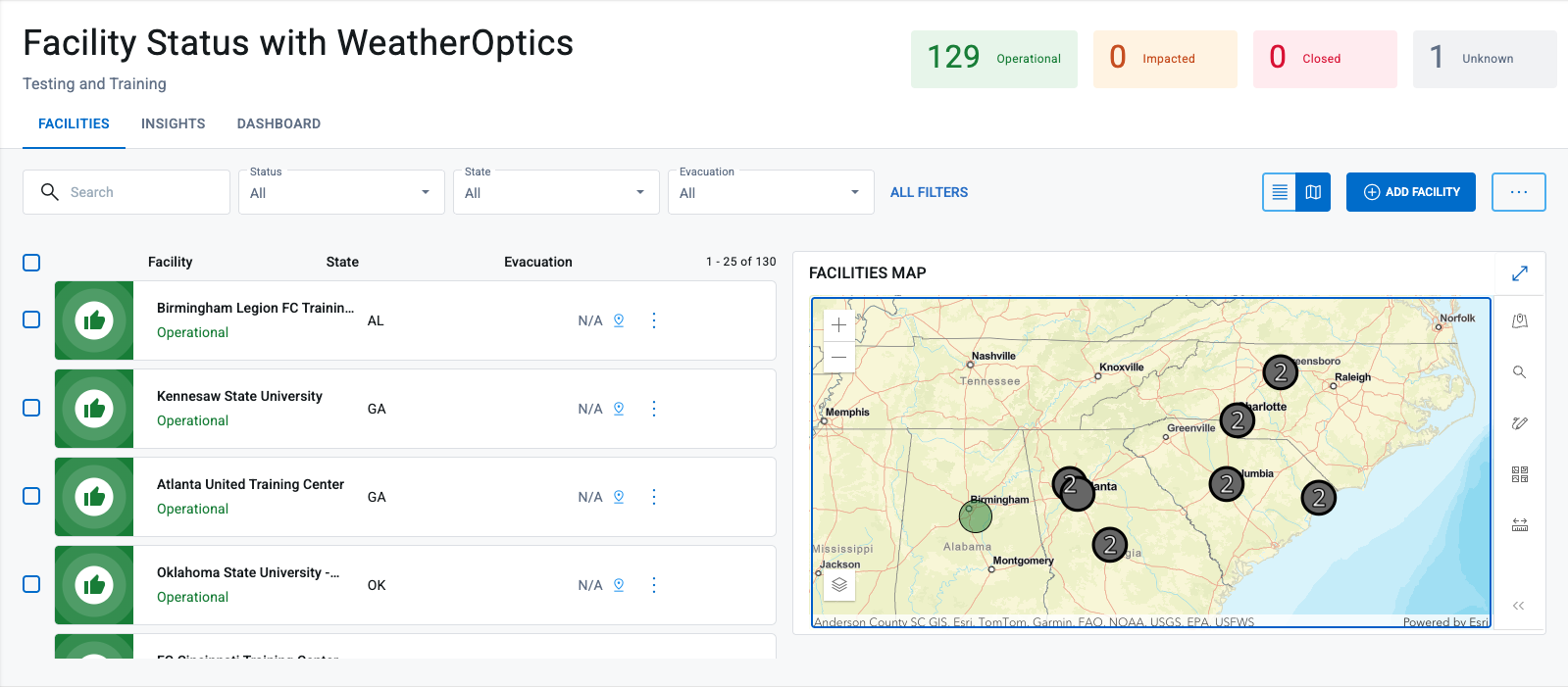
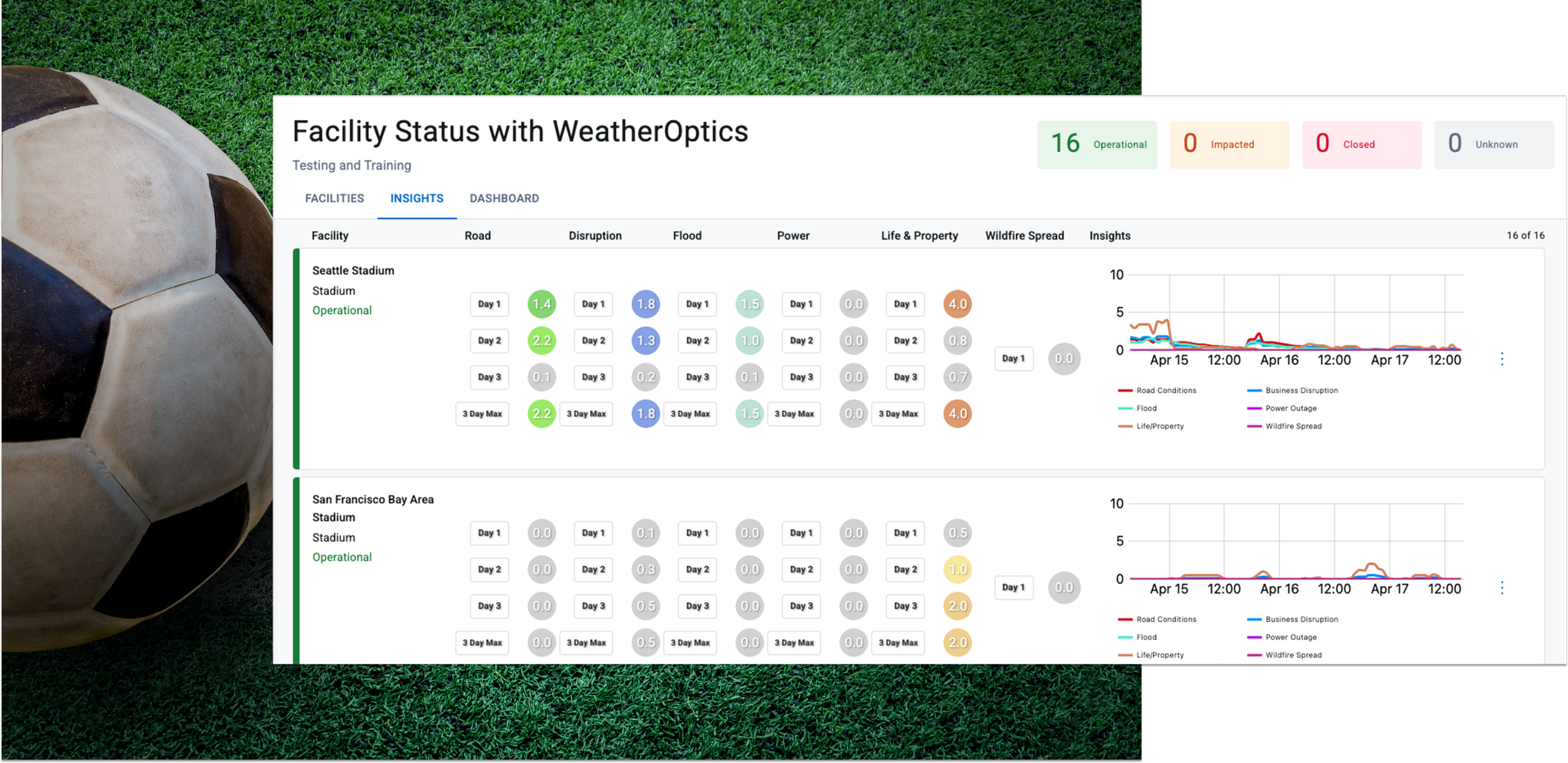
A Facility Status Board with WeatherOptics tracks the real-time operational status of stadiums, practice facilities, hotels, and fan fest locations — featuring weather-based data layers and predictive indices from WeatherOptics — so that a venue issue in one city is immediately visible to coordinators across the network.
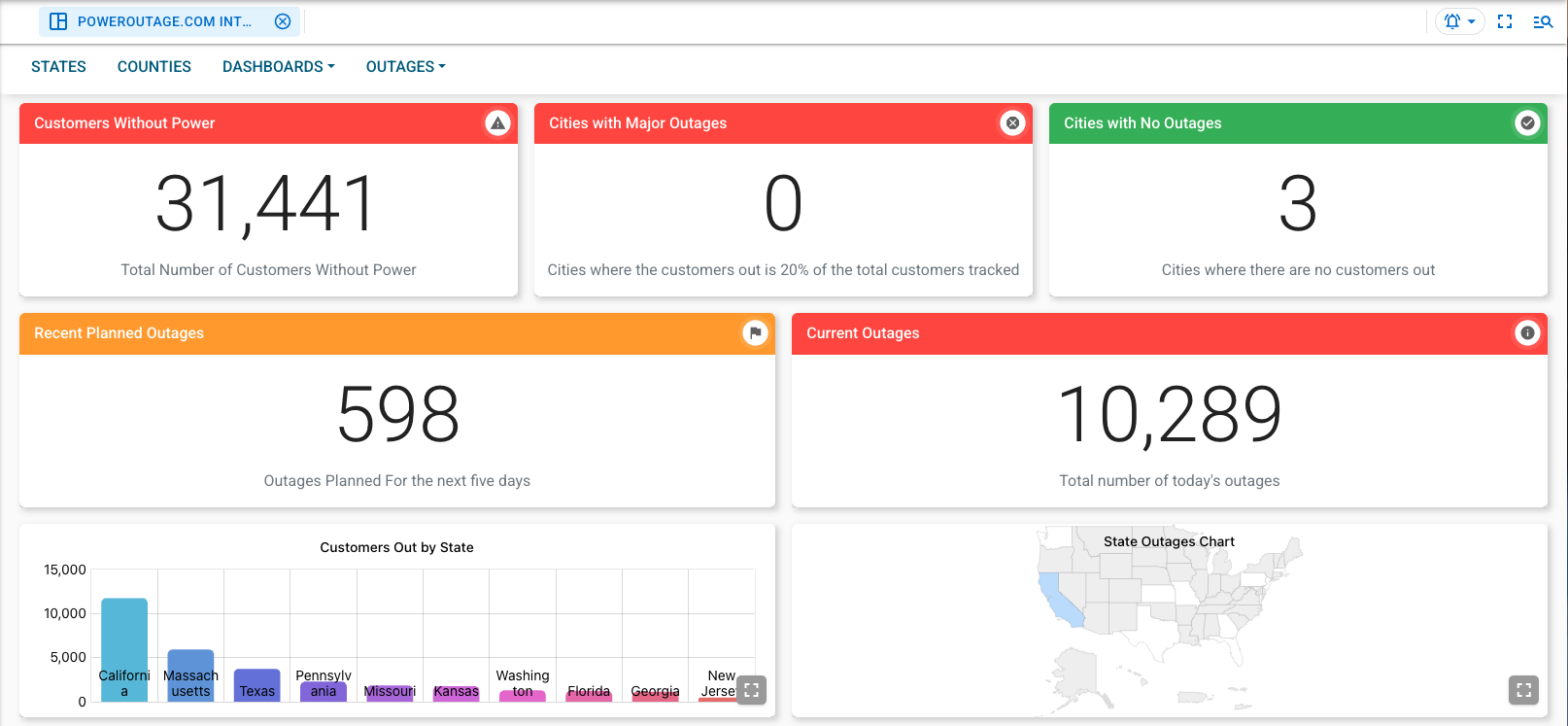
PowerOutage.us Data Integration feeds in electrical grid disruptions across counties hosting matches, turning a slow-developing situation into something that triggers fast, coordinated mutual aid.
A Watch Party Tracker offers a public-facing form so that any group hosting a watch party can register their event details, giving responders a real-time map of where crowds are gathering outside official venues in case an emergency occurs nearby.
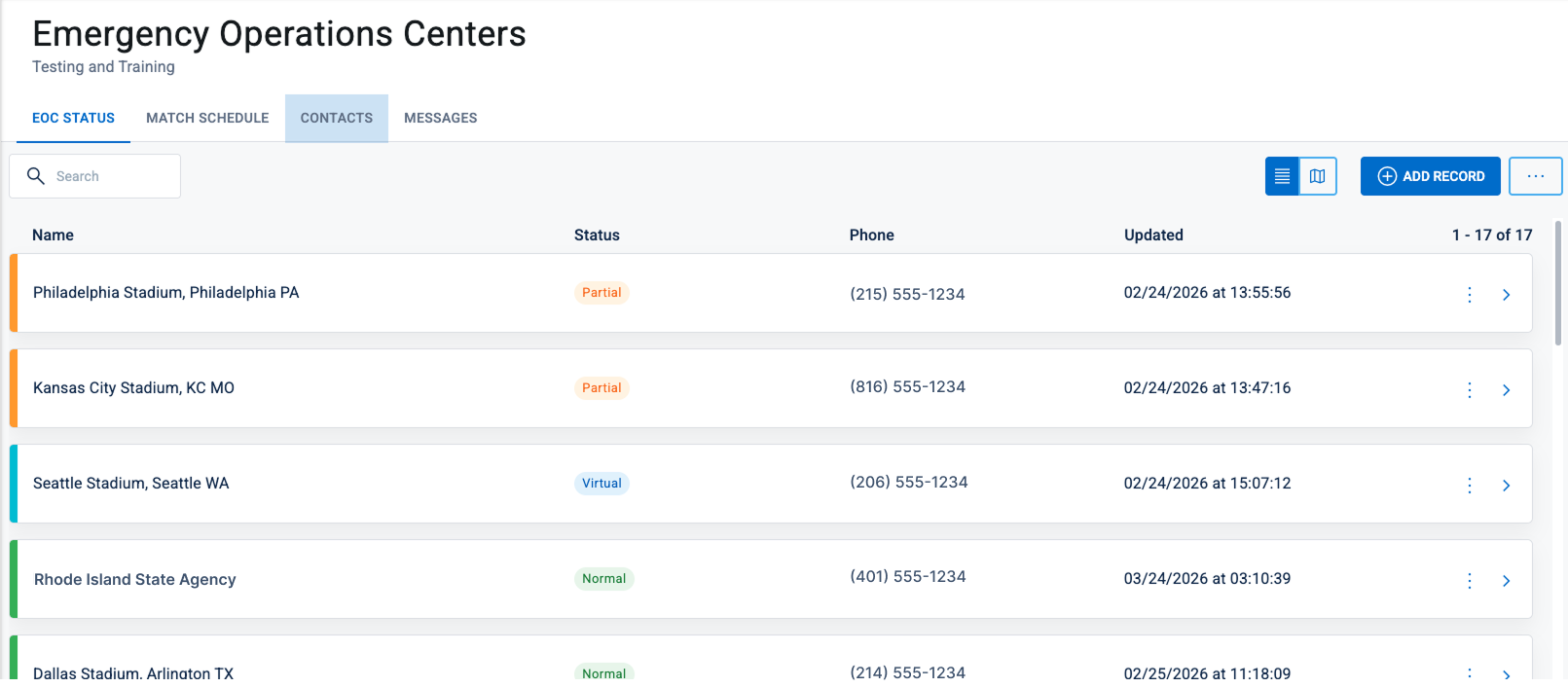
An EOC Status Board, Match Schedule, Contacts List, and Messaging System connects emergency management personnel across all host cities so they can see each other’s activation levels, reach the right person, and communicate securely.
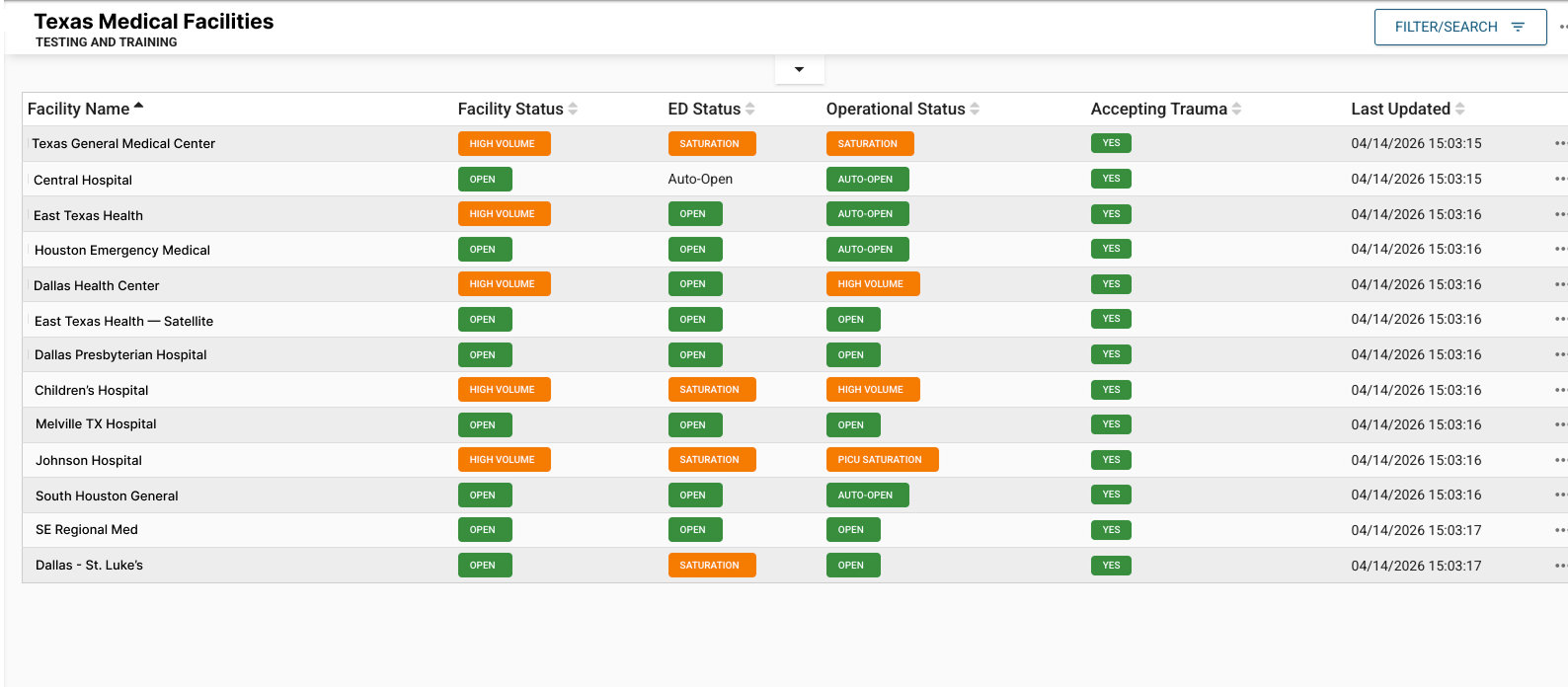
And a Facility Status – Healthcare board provides visibility into hospital statuses and capacity across host regions, ensuring healthcare readiness keeps pace with the surge of millions of additional visitors.
Why Juvare Exchange — and Why Now
There are plenty of communication tools available to emergency managers. They can call, email, or set up group chats. But none of those approaches solve the fundamental problem the World Cup presents: getting structured, actionable data — not just messages, but board-level operational information — shared in real time across organizations that all run their own independent systems.
Juvare Exchange doesn’t ask cities to adopt a new platform or change their workflows. It extends what they already use, allowing them to opt in to specific data-sharing relationships while keeping full control of their data. It syncs boards bi-directionally, supports secure chat and file sharing alongside structured data, and scales to the kind of multi-city, multi-agency operation the World Cup demands. And Juvare’s track record backs this up, from serving as the operational backbone for security coordination at a major international multi-sport event, to helping a premier U.S. professional sports venue automate incident reporting and integrate drone detection technology.
Keeping Communities Safe
At its core, the work that Juvare and the host cities are doing with Juvare Exchange is about something simple: keeping people safe. The athletes competing on the world’s biggest stage. The millions of fans traveling from around the globe. The communities that call these host cities home and whose daily lives will be shaped by the event in countless ways.
Building a common operating picture before the first match kicks off means that when something goes wrong — and in an event of this duration and scale, things will inevitably go wrong — the people responsible for responding won’t be starting from scratch. They’ll already be connected. They’ll already be looking at the same data. They’ll already know who to call and how to reach them.
The 2026 World Cup will be remembered for the goals, the upsets, and the moments of brilliance on the pitch. But for the emergency management community, it may also mark a turning point — the event that showed what’s possible when host cities commit to true cross-jurisdictional coordination and have the right technology to make it happen.
To learn more about Juvare Exchange and how it enables collaborative incident management across jurisdictions, visit Juvare Exchange.