
An emergency can happen at any time; whether facing a natural disaster, a cyber attack, or a supply chain failure, the ability to maintain essential functions during a crisis can be the difference between a temporary setback and a catastrophic failure.
The State of BCDR Report 2025 found that while 60% of businesses believe they could recover from a crisis within 24 hours, only 35% actually do. It’s not just luck that distinguishes this 35%; stability requires preparation. One of the best ways to prepare your organization for whatever comes your way is to create a Continuity of Operations (COOP) plan.
COOP is a regulatory requirement for government agencies, but it’s also a must for any organization that provides essential services. From federal departments to local hospitals and private enterprises, COOP planning protects your people, preserves vital records, and ensures that your mission can continue.
In this guide, we’ll cover everything you need to know about COOP, including:
- What is Continuity of Operations (COOP)?
- What is Continuity of Government (COG)?
- The Four Phases of Continuity
- The Required COOP Elements
- Common Mistakes of COOP
- FAQs About Continuity of Operations Planning
- How Emergency Management Tech Helps

What is Continuity of Operations (COOP)?
Continuity of Operations is a federal initiative and planning effort required by U.S. Presidential Policy Directive 40 (PPD-40) and FEMA guidelines. Its primary goal is to ensure that agencies and organizations can continue to perform their essential functions under a broad range of circumstances, including man-made, natural, and technological emergencies.
While initially designed for the federal government, COOP principles are now the gold standard for state, local, tribal, and territorial governments (SLTT), as well as private sector entities responsible for critical infrastructure. A COOP plan helps your systems withstand and recover from any emergency that comes your way.
The Standard Timeframe
In an emergency, every second matters. You should be able to enact your COOP plan quickly—within 0-12 hours of an event—and continue using it until the situation has been resolved or for up to 30 days. Keeping this timeline in mind enables you to create a robust plan that serves as a bridge to help you navigate the worst of a crisis.
Why COOP Matters
The benefits of COOP planning are far-reaching, making these plans a vital component in preserving your organization’s stability and reputation.
Preserving Profit
The financial costs of downtime are staggering; for large enterprises, the average cost of downtime is $500,000 to $1 million per hour. For high-stakes sectors like finance and healthcare, the cost is more like $5 million or more. Even for small to mid-sized businesses, lost revenue and customer churn can cost $50,000 to $100,000 per hour.
COOP planning reduces downtime and protects your assets, saving you money in the short term. Being able to respond to and recover from an emergency quickly while maintaining operations also bolsters your reputation, which will result in long-term loyalty and profit.
Ensuring Compliance
For federal agencies, COOP is a mandate. For the healthcare, energy, and transportation sectors, continuity planning is often tied to licensure and accreditation. Failing to maintain a viable COOP plan can result in loss of funding, legal penalties, and a revocation of the authority to operate.
Protecting People
At its core, COOP is about people. By ensuring that essential services—like emergency dispatch, hospital operations, and utility management—remain online, COOP plans directly contribute to the safety of your community.
A well-rehearsed COOP plan also reduces stress for your staff. Recent studies have shown that mental health issues are a top risk of crises, with many organizations reporting a significant impact on staff morale following a disruption. Proper COOP plans help with staff retention and productivity by making them feel safe and prepared during crisis situations.
What is continuity of government (COG)?
While COOP focuses on the operations of an agency (keeping the lights on and services running), Continuity of Government (COG) focuses on preserving the statutory and constitutional leadership of the government. In other words, COOP focuses on specific tasks and logistics, and COG focuses on the survival of the governing body itself.
COG ensures that even in the midst of a catastrophic emergency, the rule of law prevails, leadership is visible, and the democratic framework remains intact. Without COG, operational recovery is impossible because the legal authority to allocate resources or enforce laws would cease to exist.
Continuity of Operations for Federal Agencies
At the federal level, COG is the highest tier of continuity planning, designed to preserve the United States’ constitutional framework under the most extreme conditions. Historically rooted in Cold War-era planning to survive a nuclear exchange, modern Federal COG planning has evolved to address terrorism, cyber warfare, and natural disasters.
The primary objective of COG is to ensure that the three separate branches of government continue to function. This involves rigorous planning for the succession of the Presidency and key cabinet roles, ensuring that no single attack can decapitate the nation’s leadership.
Continuity of Operations for State and Local Governments
Continuity of Government planning for state & local agencies has a more immediate, community-focused urgency. Here, the goal is to maintain civil order and public trust. If a mayor, governor, or city council cannot govern due to incapacitation or isolation, there must be a clear, pre-established legal pathway for succession. This ensures that the authority to declare states of emergency, authorize spending for disaster relief, and issue curfews remains uninterrupted.
State and local COG planning also heavily emphasizes the preservation of the judicial process and legislative capabilities. For example, the COG plan must outline how the city council can legally meet and vote if the city hall is inaccessible. Similarly, it must dictate how the local court system can continue to arraign suspects and uphold due process without a courthouse. Unlike the federal focus on national sovereignty, local COG is deeply tied to the continuity of community safety and the delivery of essential services.
The “Four Phases” of Continuity
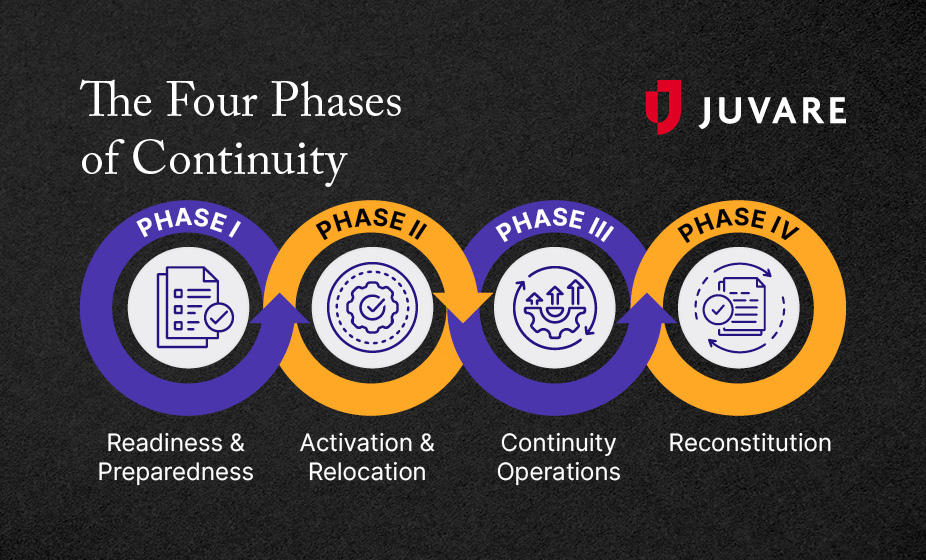
Top emergency management agencies almost universally structure the lifecycle of a COOP event into four distinct phases. Understanding where you are in this cycle is crucial for resource allocation.
Phase I: Readiness & Preparedness
The first phase is when you’ll develop a plan and conduct training, testing, and exercises to ensure your organization is ready to put your COOP plan into action. This phase includes:
- Identifying potential risks
- Creating an initial plan
- Acquiring backup equipment
- Reviewing and revising your plan
- Incorporating training into daily activities
Phase II: Activation & Relocation
This phase covers the first twelve hours immediately following a critical incident. The goal of this phase is to transfer command and control effectively without losing operational function. The activation phase includes:
- Notifying staff
- Activating the COOP plan
- Moving essential personnel to alternate operating facilities (whether physical or virtual)
Phase III: Continuity Operations
In the third phase, your COOP plan sustains essential operations for up to 30 days (or until the situation is resolved). Remember that you are not conducting business as usual under these conditions; you are simply keeping mission-critical functions running, often with staff taking on different responsibilities or schedules. Key activities during this phase include:
- Executing essential functions from the alternate facility or telework environment
- Accounting for all personnel and conducting regular wellness checks
- Establishing and maintaining reliable communication with internal and external stakeholders
Phase IV: Reconstitution
After the crisis is resolved, you’ll enter the recovery phase. The goal of this phase is to return to normal readiness status and conduct an after-action review to improve future responses. The reconstitution process includes:
- Terminating emergency operations
- Salvaging records
- Transitioning personnel and equipment back to the primary facility or a new permanent location
The Required COOP Elements
As you set about creating your own Continuity of Operations plan, you’ll want to keep these key elements in mind to ensure your plan is robust enough to match your organization’s needs and to remain compliant with FEMA’s Federal Continuity Directive (FCD) 1 and 2. While your organization will have its own unique elements, these items provide a solid foundation on which to build your COOP plan:
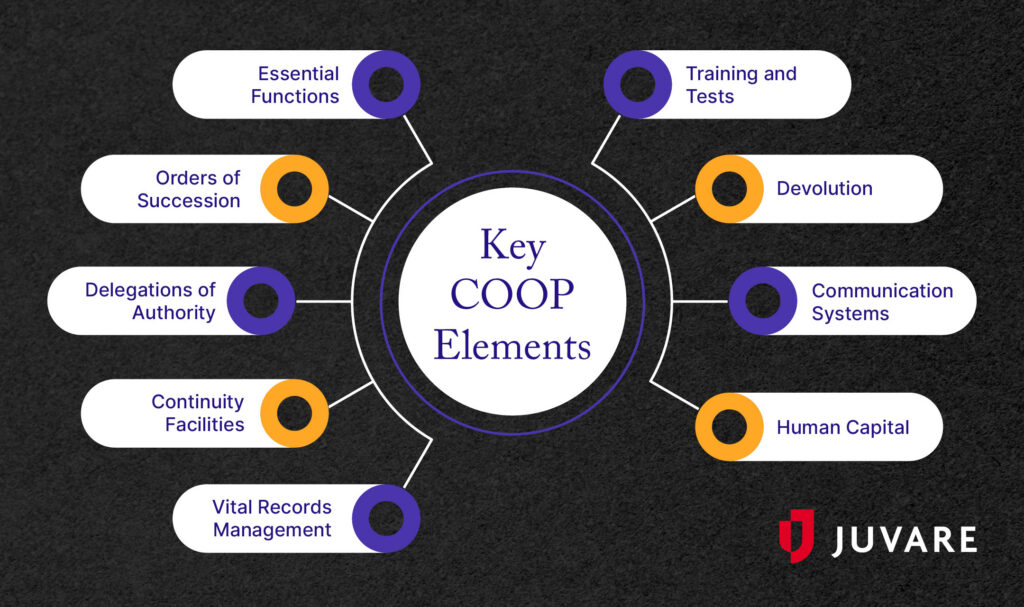
Essential Functions
These are the activities that must continue, no matter what. Leaders must identify and prioritize these functions, separating “mission-critical” tasks from those that can be paused.
Orders of Succession
Who takes charge when the Director is incapacitated? Orders of succession must be deep (usually at least three deep), geographically dispersed, and clearly documented to ensure legal authority is never in question.
Delegations of Authority
This differs from succession; it specifies who is authorized to make what decisions. For example, a finance deputy might be authorized to sign emergency purchase orders if the CFO is unreachable.
Continuity Facilities
Whether physical (a backup site) or virtual (telework capabilities), organizations must have a pre-arranged location where essential functions can be performed if the primary site is lost.
Vital Records Management
Access to electronic and hard-copy records (personnel data, legal documents, emergency plans) is non-negotiable. If you can’t access your data, you can’t perform your mission.
Human Capital
This refers to the people needed to execute the essential functions. It involves communicating with staff, managing their health and safety, and ensuring they have the necessary support to work effectively during a crisis.
Communication Systems
Redundant communications are vital. If email fails, do you have radio? If cell towers are down, do you have satellite phones? Collaborative incident management tools can bridge gaps by creating interoperable networks between agencies.
Devolution
This involves transferring statutory authority and responsibility to a different organization entirely. If an agency at the primary site is completely overwhelmed or destroyed, devolution assigns its mission to a separate agency (e.g., a regional office taking over for headquarters).
Training and Tests
You must validate your plan’s efficacy. This includes testing equipment, training personnel on their specific roles, and conducting full-scale exercises to identify gaps. You should also implement a Test, Training, and Exercise (TT&E) program that documents the frequency and scope of testing to ensure compliance and readiness.

Common Mistakes of COOP
A plan alone is not enough to protect your organization; your team must understand how to implement your plan and continue to iterate your COOP over time to ensure it remains relevant and effective. Keep these common mistakes COOP leaders make in mind to fill in the gaps of your plan and ensure its efficacy:
Ignoring Psychological & Cognitive Resilience
Recent research emphasizes that COOP plans often fail not because of technology, but because people are pushed beyond their limits during crises. Mental health issues and burnout are now a top consequence of emergency situations, yet they rarely appear in formal COOP risk registers. If your plan assumes staff can work 18-hour days for a month or lacks decision-support tools, you’ll end up with fatigued staff who can’t perform.
Instead, build rotation schedules into your COOP activation. Create “Job Action Sheets” that simplify complex tasks into checklists to reduce the cognitive load on stressed employees. You should also ensure your plan includes welfare checks for remote staff.
A Lack of Leadership Visibility
Forrester found that only 41% of disaster recovery program heads report to a C-suite executive. When leaders don’t have to hear about the importance of COOP plans, it’s easy to treat them as “check-the-box” exercises and neglect to give them the budget and authority they need to be effective.
To break down silos, present COOP not as a compliance task, but as an insurance policy for the brand. You can also invite C-suite executives to kick off your annual Tabletop Exercise (TTX). When leadership participates, your program will receive the attention and resources it needs.
Third-Party Blindness
While companies lock down their own staff, nearly 28% of crisis activations stem specifically from third-party failures. As organizations rely more on SaaS ecosystems they don’t control, vendor resilience must be part of your COOP planning.
Choose software partners that offer high-availability architecture and offline capabilities. You need a platform that allows you to access critical data even when the wider internet is unstable. If your crisis management software goes down during a crisis, it becomes part of the disaster.
Overcomplicating Systems
In a crisis, it’s easy to become overwhelmed. If your plan requires staff to pore over a 300-page binder, you’re expecting too much of your people. Plans must be actionable, role-based, and concise.
Try moving away from narrative paragraphs and toward checklists, flowcharts, and visual aids. Digitizing your plan ensures that users only see the information relevant to their specific role.
Insufficient Training
A plan is of little use if people don’t know how to actually implement it. If the first time a staff member sees the COOP plan is during the emergency, it’s too late.
Your organization should focus on building muscle memory for your staff. A great way to do this is by running micro-drills: 15-minute activities during a staff meeting to discuss a specific scenario (e.g., “What if the internet goes down right now?”). Regular, low-stakes exposure to the plan—for all staff members—builds the confidence needed for high-stakes execution.

FAQs About Continuity of Operations Planning
What is the difference between a Continuity of Operations Plan (COOP) and a Business Continuity Plan (BCP)?
A COOP is usually associated with government entities, whereas a BCP is the private sector counterpart. While both plans provide guidelines for an organization to sustain the delivery of essential services before, during, and after a crisis, the difference between their core aims is as follows:
- COOPs: Ensure the continuous delivery of critical services, maintain civil authority, and preserve legal mandates during an emergency.
- BCPs: Protect overall operations, minimize financial loss, maintain supply chains, and fulfill corporate obligations.
Recently, the lines between the two concepts have blurred. Many private enterprises adopt COOP frameworks to protect their people, property, and operational stability.
How often should an organization review and update its continuity plan?
Your organization should review and update its continuity of operations plan annually. Regular reviews ensure that employee contact information, access to vital records, succession orders, and emergency communication protocols are up to date.
However, you shouldn’t wait for an annual review if major internal or external shifts occur. Significant changes to your organization’s structure, like leadership shifts or the introduction of new software vendors, should prompt a review of your COOP.
Who is responsible for developing and managing continuity operations?
Successful continuity planning requires a collaborative, cross-functional approach typically spearheaded by a dedicated continuity manager, emergency management director, or risk officer. This individual or team facilitates the overarching planning process and manages regular testing and training regimens.
Department heads should also identify their essential functions, personnel requirements, and potential supply chain vulnerabilities to ensure true organizational resilience. Active involvement from the C-suite provides the continuity team with the necessary authority, budget, and crisis management technology to succeed.
How Emergency Management Tech Helps
The days of managing continuity with three-ring binders and static spreadsheets are over. To meet the demands of modern threats—from cyberattacks to climate disasters—organizations need dynamic, real-time solutions.
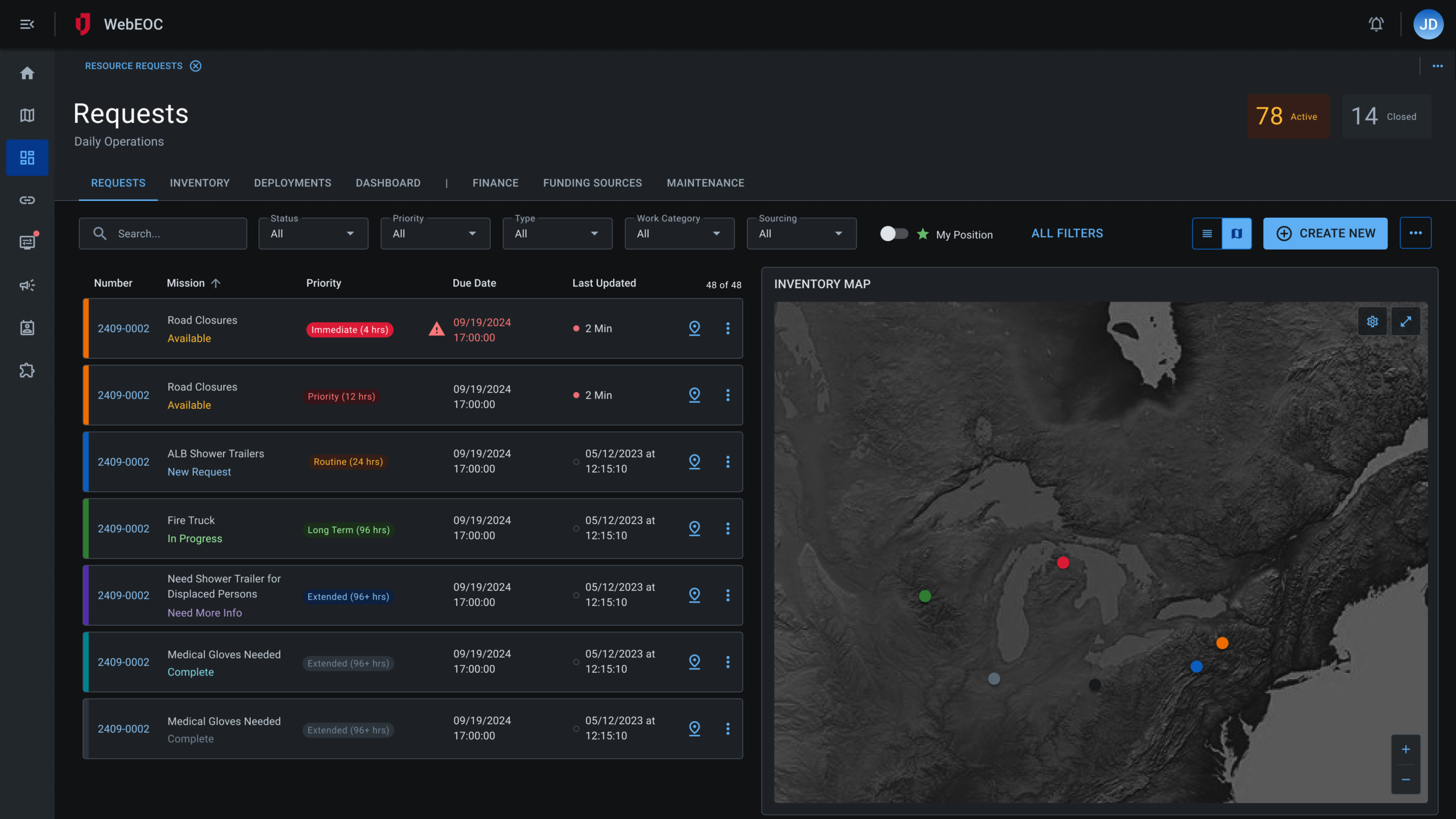
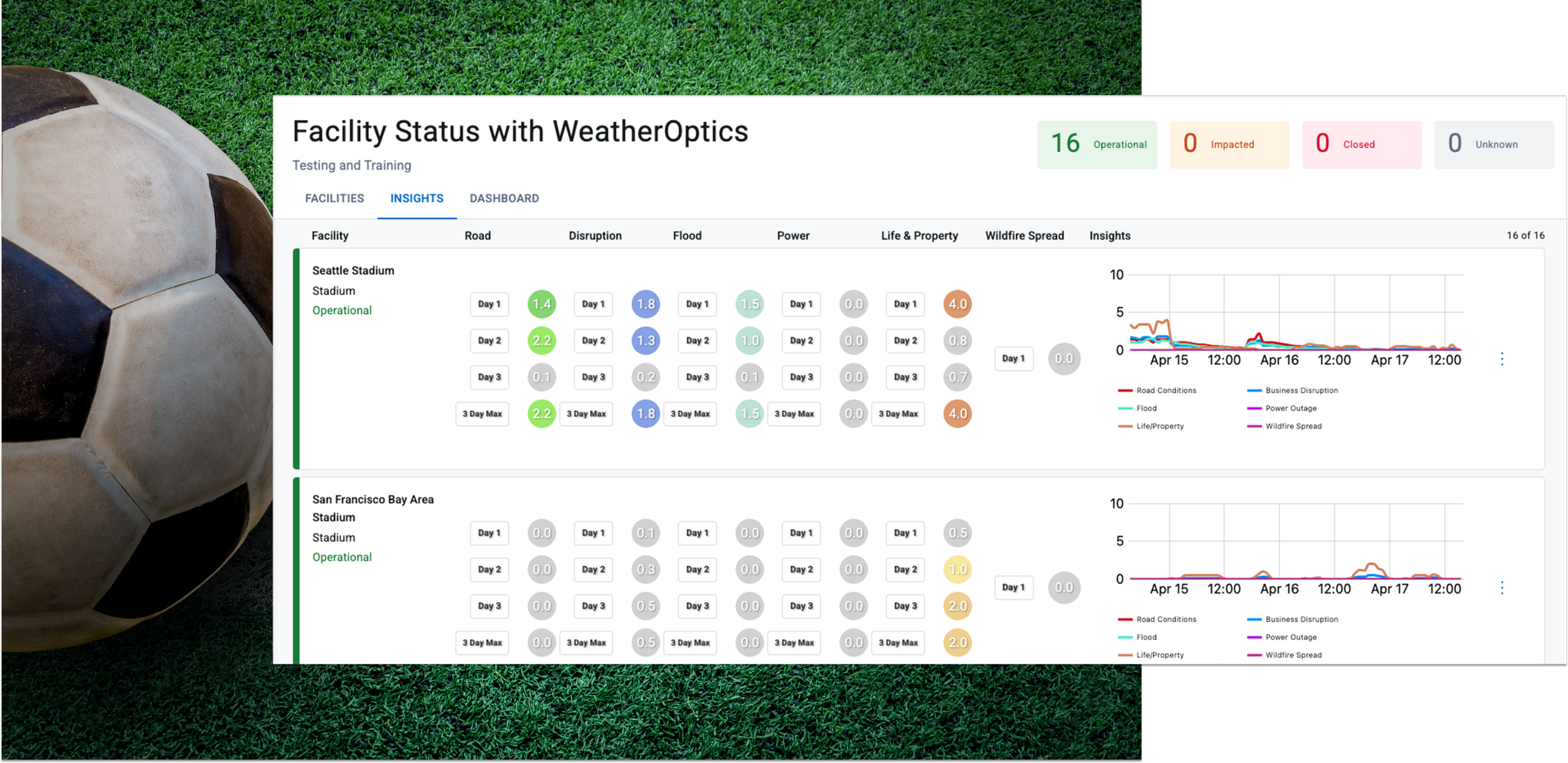
Juvare’s WebEOC Nexus for private enterprises and state & local government is the industry standard for emergency management and continuity planning. It offers a dedicated Continuity of Opeations Plan Builder, enabling you to digitize your essential functions, automate orders of succession, and maintain real-time visibility into your operational status.
Benefits of WebEOC Nexus include:
- Centralized planning: Instead of scattered documents and version control nightmares, WebEOC provides a single, secure source of truth for all continuity elements.
- Automated activation: When a disruption occurs, WebEOC can trigger automated workflows, notifying staff via email or SMS and activating alternate facilities instantly.
- True resilience: Built for the most demanding environments, the platform ensures that your command chain remains intact and your data remains accessible, mitigating the risks of third-party failure.
- Interoperability: With Juvare Exchange, agencies can share critical data across jurisdictional lines, ensuring that your COOP plan is connected to the wider response community.
By leveraging the right planning frameworks and the right technology, you can build your organization’s resilience, allowing you to protect people, property, and your brand no matter what comes your way.
Additional Resources
To learn more about emergency preparedness and response, check out these resources:
- The Future Is Now: Emergency Management’s Technological Modernization: Discover how technology is transforming the emergency management industry by speeding up processes, increasing the capacity for complexity, and improving coordination.
- The Ultimate Guide to Creating an Emergency Response Plan: Having an emergency response plan in place allows your organization to react quickly and effectively. Learn how to create and implement a plan in this guide.
- Emergency Planning and the Risk of Cyberattacks: Think cybersecurity is just a responsibility of your tech team? Learn why it’s important to include cybersecurity in your emergency response plan to protect your data and systems.