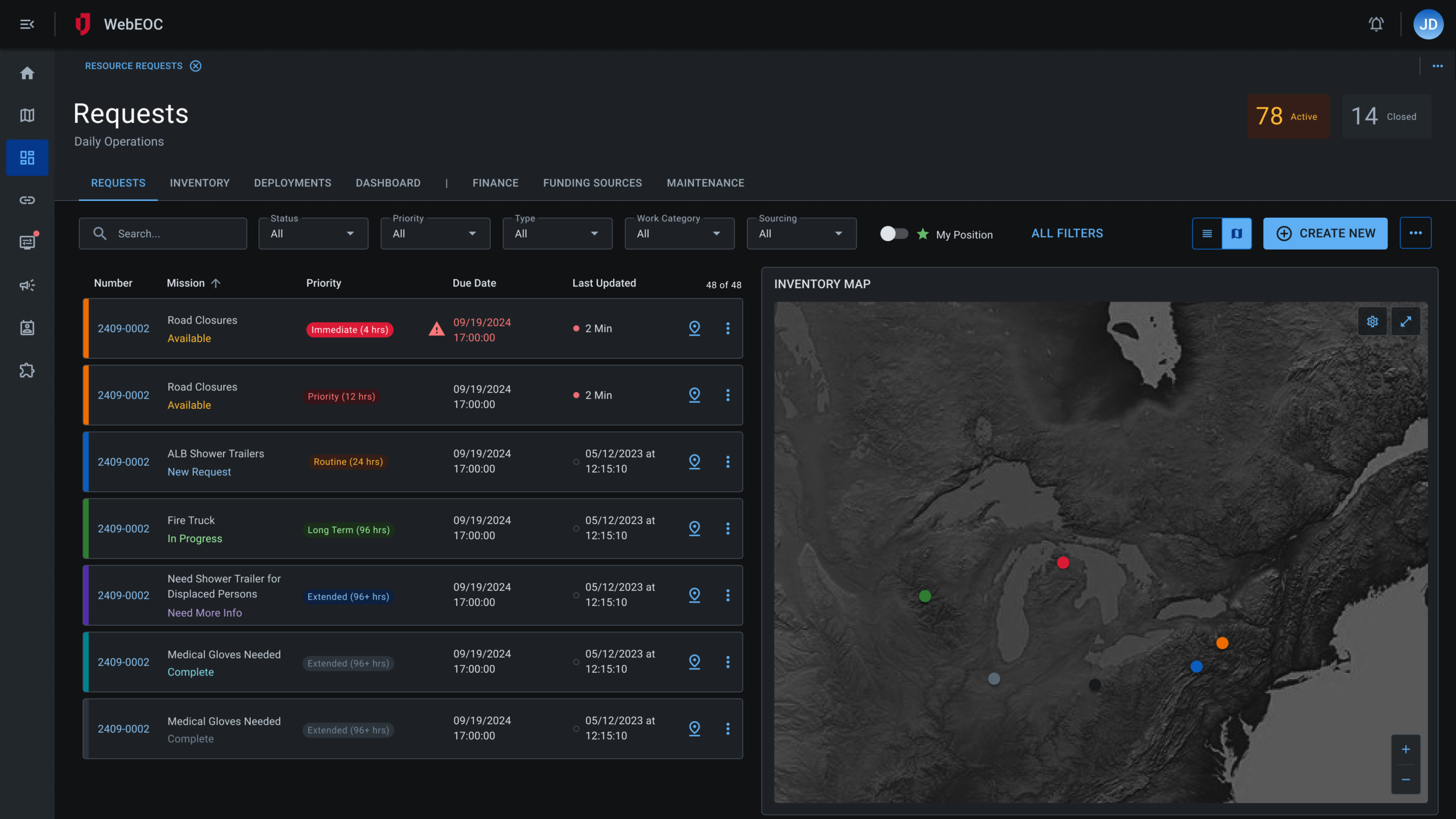

Somewhere in your facility right now, someone is logging bed counts into a reporting portal by hand. It happens every day, sometimes multiple times a day. It pulls staff away from work that matters more, and the data it produces is only as accurate as the last person who entered it. Most administrators have long since stopped noticing what it costs.
A lot of that cost is about to become optional.
The Rural Health Transformation Program (RHTP), created under the One Big Beautiful Bill Act signed in 2025, commits $50 billion to rural healthcare over five years, at $10 billion a year distributed across all 50 states. Every state with an approved plan is guaranteed a minimum of $100 million annually, with additional allocation based on rural population size, proportion of rural health facilities, and proposal quality. Awards were announced in December 2025. On average each state will receive nearly $200 million per year through 2030.
This is not a grant program states apply for and forget. RHTP comes with accountability requirements, performance benchmarks, and progress reports due within months of award. Future allocations depend in part on what states did with the prior year’s money. CMS wants to see outcomes, not spending.
What that means in practice is that rural hospital facilities, EMS agencies, and health departments receiving these funds need to show their work, in real time, across a regional network, in a format that satisfies federal reporting standards as well as creates a sustainable path for rural communities to deliver healthcare their communities expect. The infrastructure to do that does not currently exist in most rural communities
The Problem Is Infrastructure, Not Funding
Rural communities have roughly 30 physicians per 100,000 residents compared to 263 per 100,000 in urban areas. A 23 percent decline in rural physicians is projected by 2030. Critical access hospitals operate on margins so thin that deferred maintenance is standard practice. These are problems RHTP is designed to address. But they sit on top of a more fundamental challenge that funding alone cannot fix: fragmentation.
Rural health systems are not systems in any operational sense. They are collections of facilities that often share patients but rarely share data. When a high-risk pregnancy needs to be transferred at 2 am, or when EMS is routing a stroke patient to the nearest facility with capacity, there is frequently no shared real-time view of what is available where.
RHTP’s accountability structure makes this visible in a new way. States are required to demonstrate right sizing, aligning service lines with actual demand, as a condition of the program. That presupposes a real time picture of what demand looks like across a region. Manual reporting gives you yesterday’s data with today’s errors.
BedSync: The Fastest ROI in Rural Health Technology
Every eligible hospital is able to report bed capacity data to NHSN under the CDC’s Hospital Bed Capacity Connectivity Initiative. Most rural facilities do this manually. The average facility spends two to four staff hours per day on this process, which translates to somewhere between $30,000 and $60,000 in annual labor costs for a task that generates no clinical value.
BedSync automates this entirely. It connects to a facility’s existing EMR, extracts the required data, and transmits it to NHSN on an automated schedule at no cost to eligible facilities. The same data could feed directly into EMResource, the regional coordination dashboard used by EMS agencies, state health departments and other rural health providers, and transfer centers across the country, not to make clinical decisions but to provide awareness of the pressures your communities face.
For states under RHTP accountability requirements, BedSync also provides the kind of Year 1 CMS deliverable that is easy to document: facilities onboarded, reporting automated, data flowing in near real time.
EMResource and the Regional Picture States Must Demonstrate
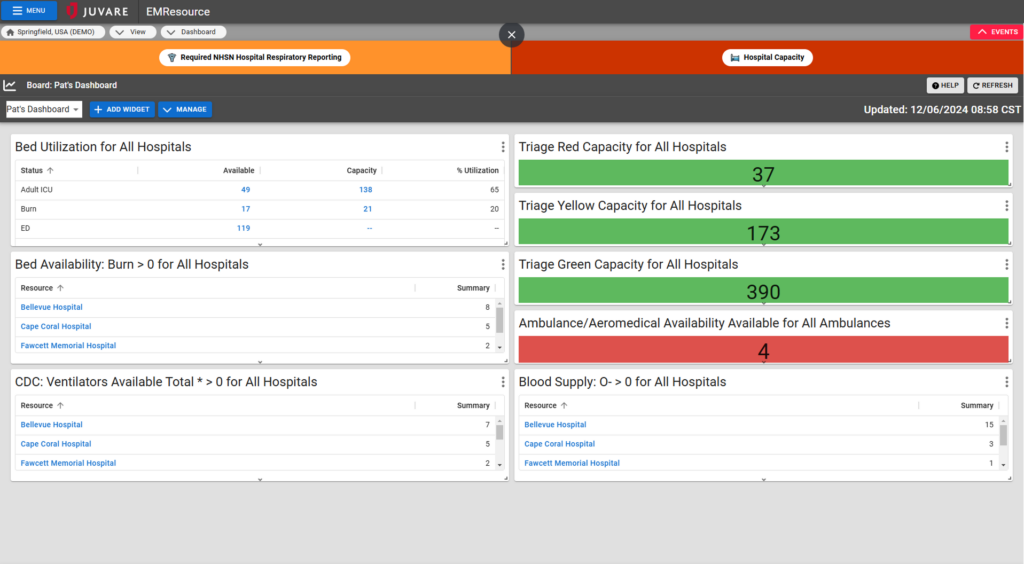
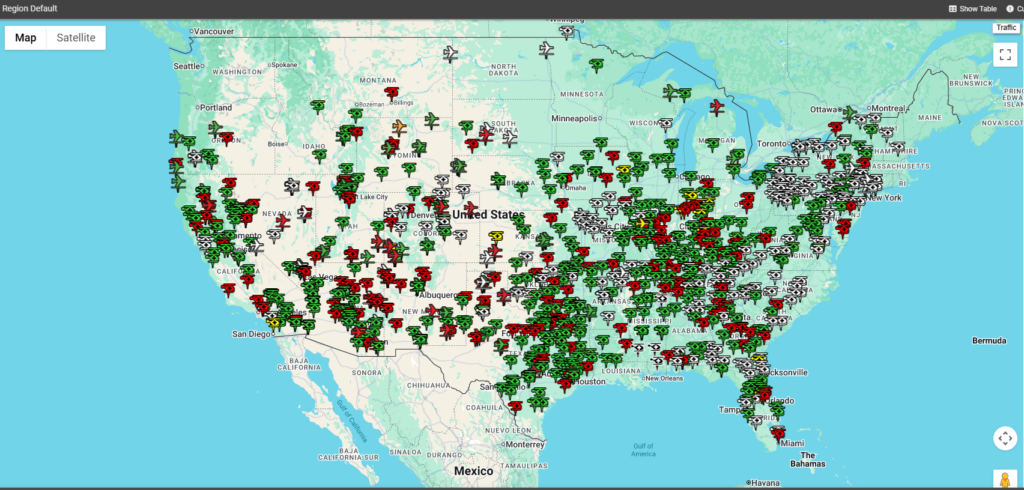
EMResource provides real time bed availability, ICU occupancy, and resource status across every connected hospital, EMS agency, long term care facility, and public health partner in a region. State health departments use it to manage surge events, route patients, and coordinate across a network of facilities that previously had no shared operational view.
Among our other HealthSuite solutions, EMTrack handles patient journey tracking from EMS pickup through hospital discharge, with CAD integrations and live maps of air and ground transport. For the community paramedicine and mobile integrated health programs several states are now piloting, it provides the documentation infrastructure that proves the model is working.
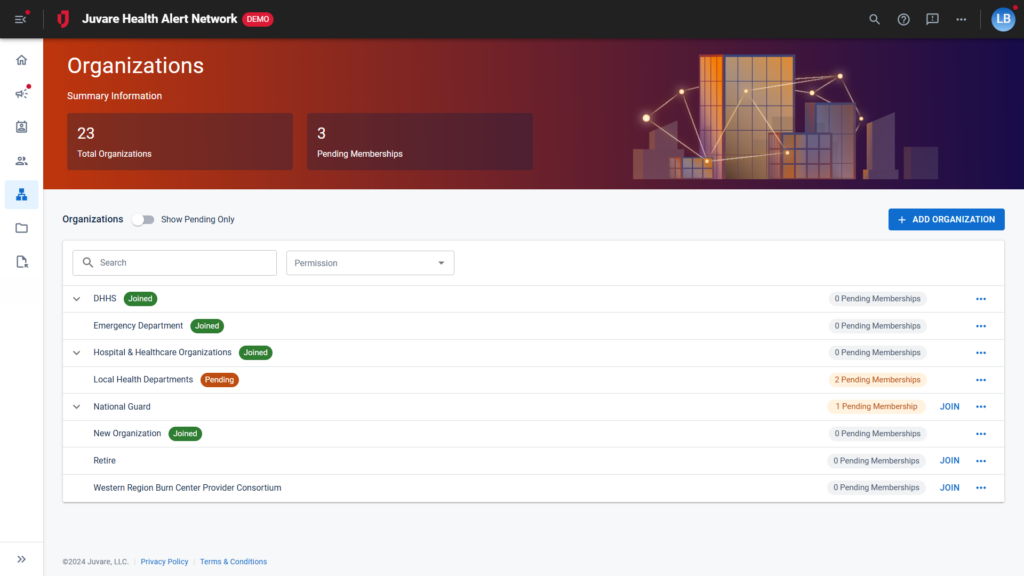
Our health alert system, CORES HAN, delivers health alerts via email, text, and voice for both routine communication and crisis response. For isolated individual hospitals, eICS gives even small, understaffed facilities the ability to activate a structured incident response in minutes that can connect with the larger delivery system.
Where Things Stand
The procurement cycle that determines which technology platforms serve rural America for the next five years is happening now. The relevant question is not whether to invest in operational infrastructure. RHTP requires it. The question is which platform has the track record to deliver and to grow long term after the initial RHTP investment, something that is future proof and has a track record and been battled tested time and again for more than 30 years.
Juvare’s HealthSuite is not an EHR and not a health information exchange. It is the operational coordination layer that sits alongside those systems and provides real-time situational awareness that clinical systems were not designed to deliver. For states that have invested in HIE infrastructure, HealthSuite is complementary. The HIE tells you what happened clinically. HealthSuite tells you what is happening operationally, right now. Both investments can benefit from one another and complete the full healthcare picture.
If your facility is still doing manual local, state, or federal reporting, you are spending money you do not need to spend. BedSync enrollment typically takes four to six weeks. If your state is building regional coordination infrastructure under RHTP, the technology procurement question is coming if it isn’t here already. Juvare has been through this process in more than 40 states.
The funding is real. Whether it produces lasting change depends on whether the operational infrastructure exists to use it well or if investments will continue to be made in the same status quo solutions.
Putting RHTP Funding to Work
HealthSuite is already deployed across 24 states and trusted by hospitals, health systems, and public health agencies nationwide. If your state or facility is ready to reap the benefits of capacity visibility, emergency preparedness, patient tracking, or health alerting, contact our team to learn more.
Sources: Centers for Medicare & Medicaid Services; One Big Beautiful Bill Act (Public Law 119-21); NPR / KFF Health News (2026); HRSA State of the Primary Care Workforce (2025).