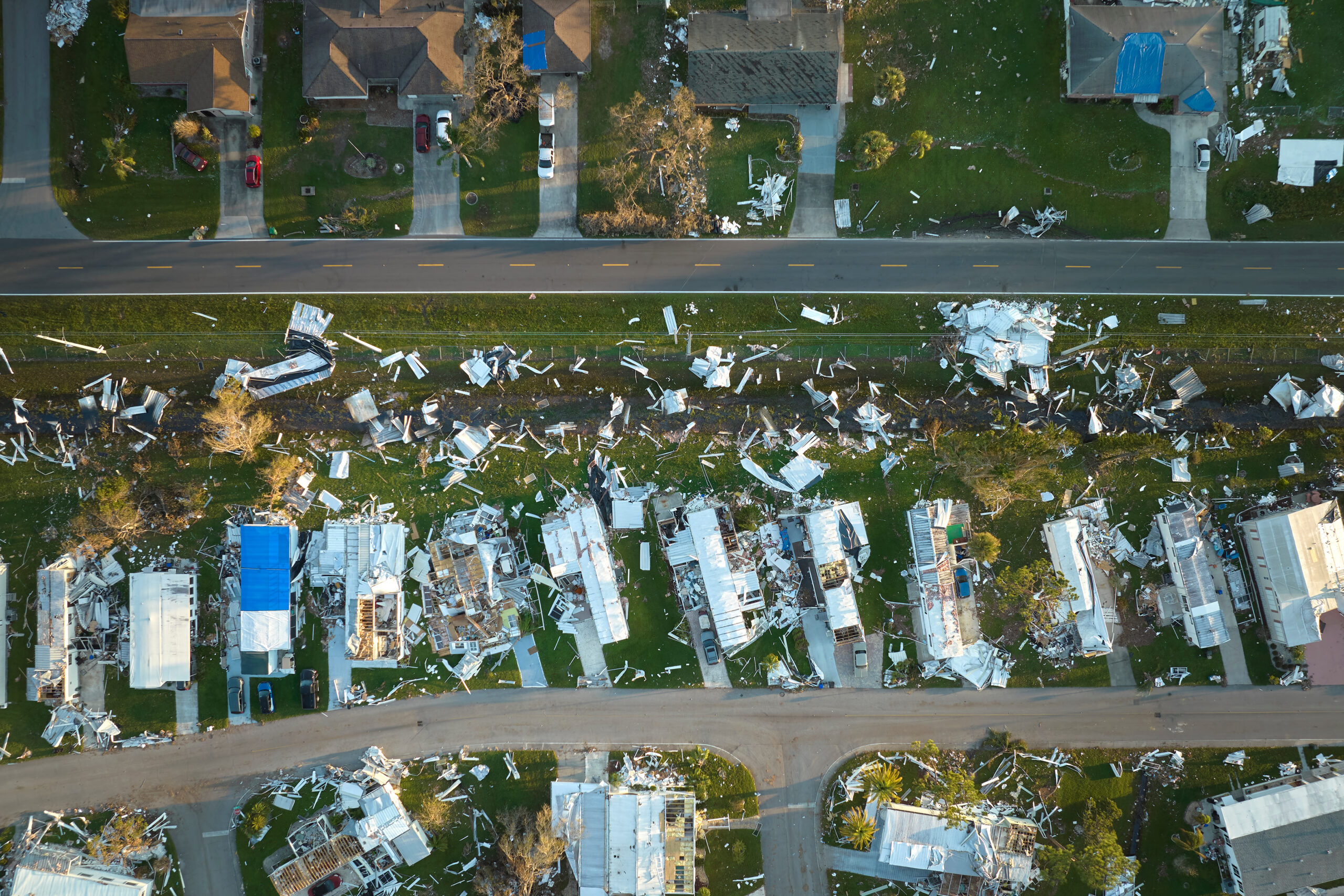
In early August, the Old Trails, Fairview, and Autumn Lane wildfires tore through Spokane County, Washington, in what was the most destructive wildfire event in the state’s history. Fueled by record-low snowpack, months of drought, and wind gusts topping 40 mph, the fires moved from wildland into neighborhoods with almost no warning. More than 700 structures were destroyed, nearly 65,000 residents were evacuated, and the response required coordination across multiple counties, tribal nations, and state and federal agencies.
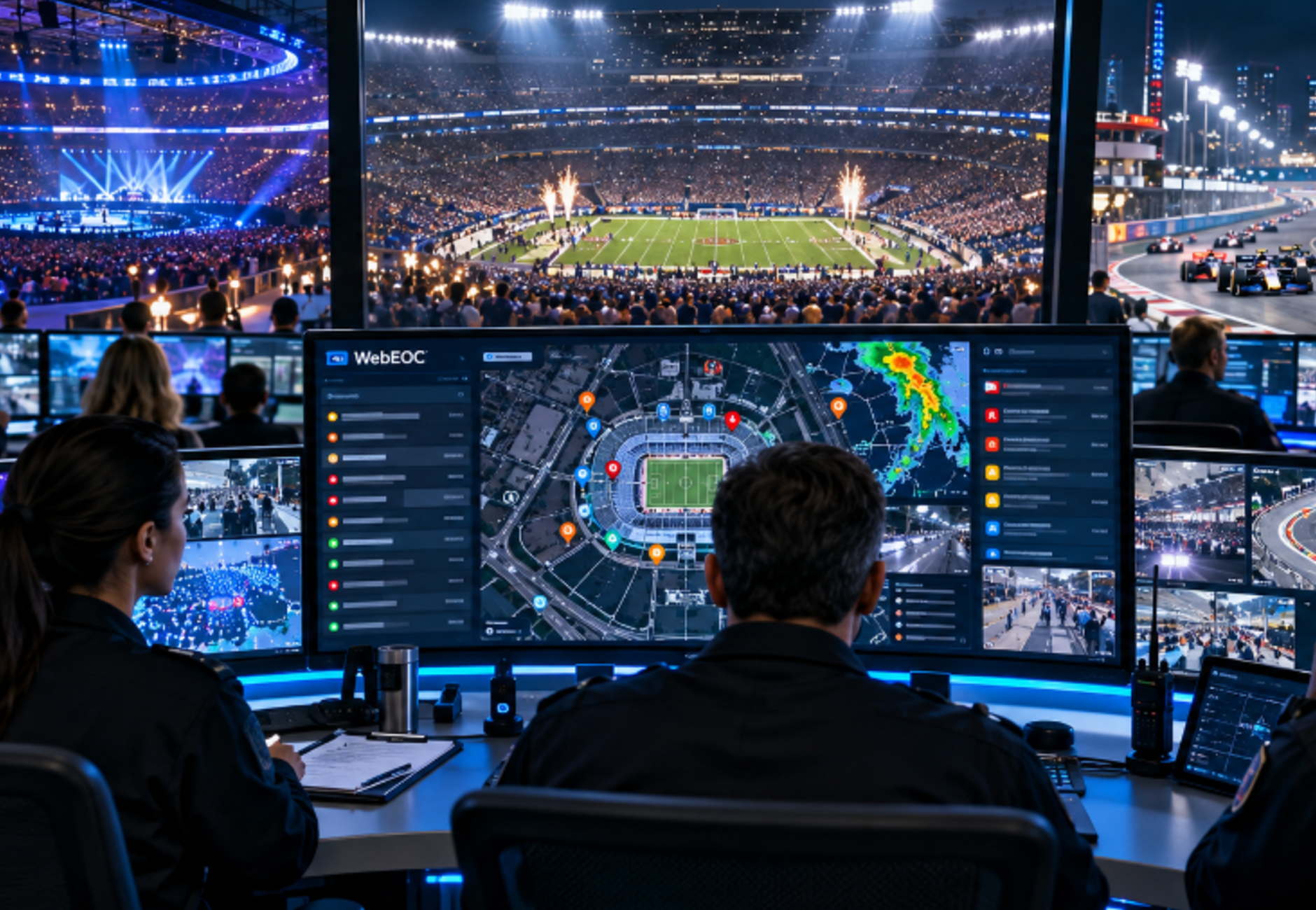
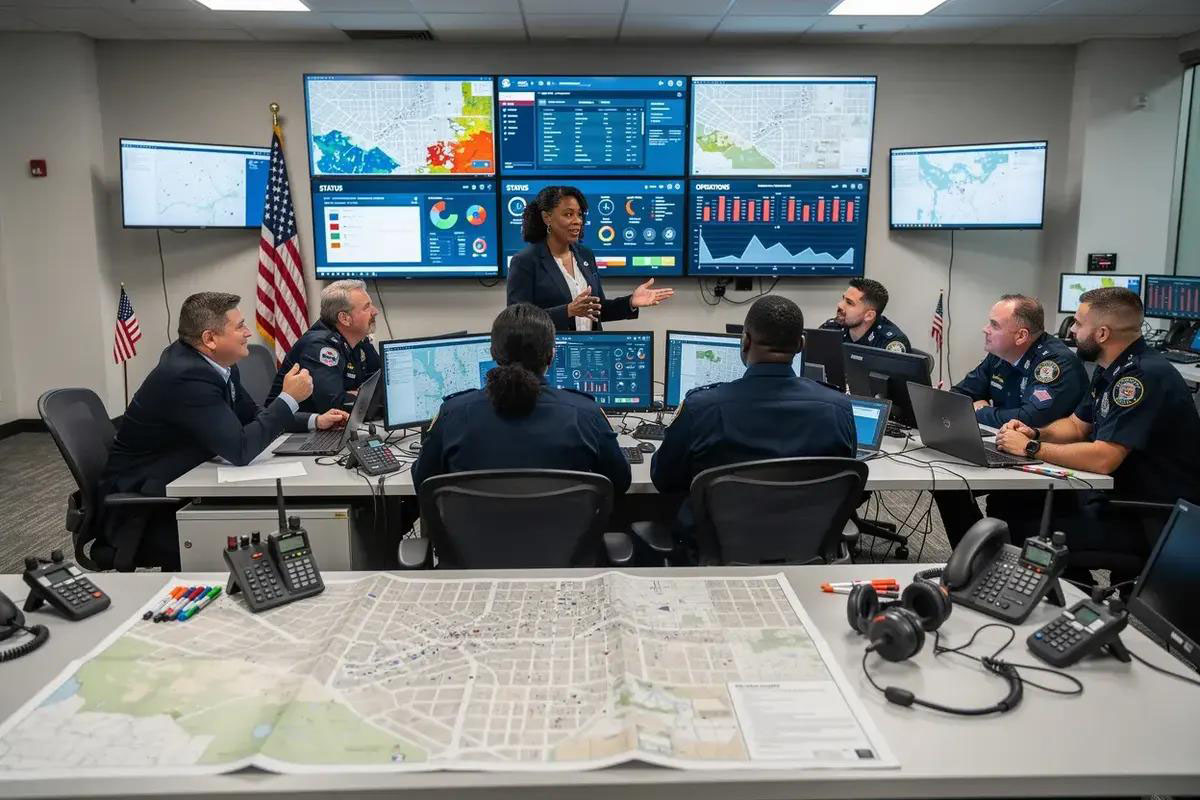
Events like the Spokane wildfires show how quickly a wildfire can escalate into a large-scale, urban emergency, and why interoperable emergency management technology is a critical part of the response infrastructure. Juvare clients used the WebEOC platform to help coordinate aspects of the response to the Spokane fires, supporting the kind of real-time situational awareness and cross-agency communication that a fast-moving, multi-jurisdictional incident demands.
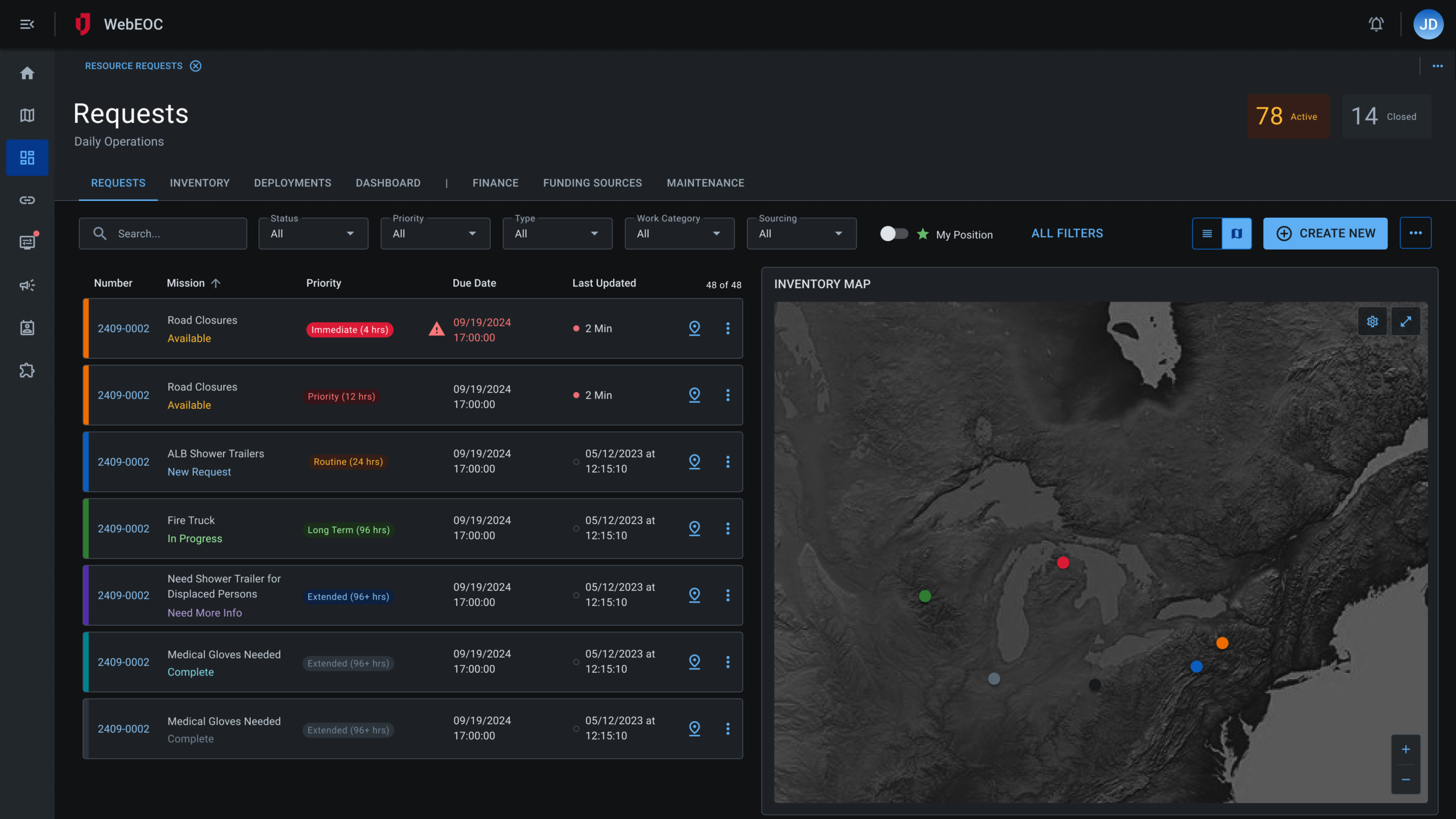
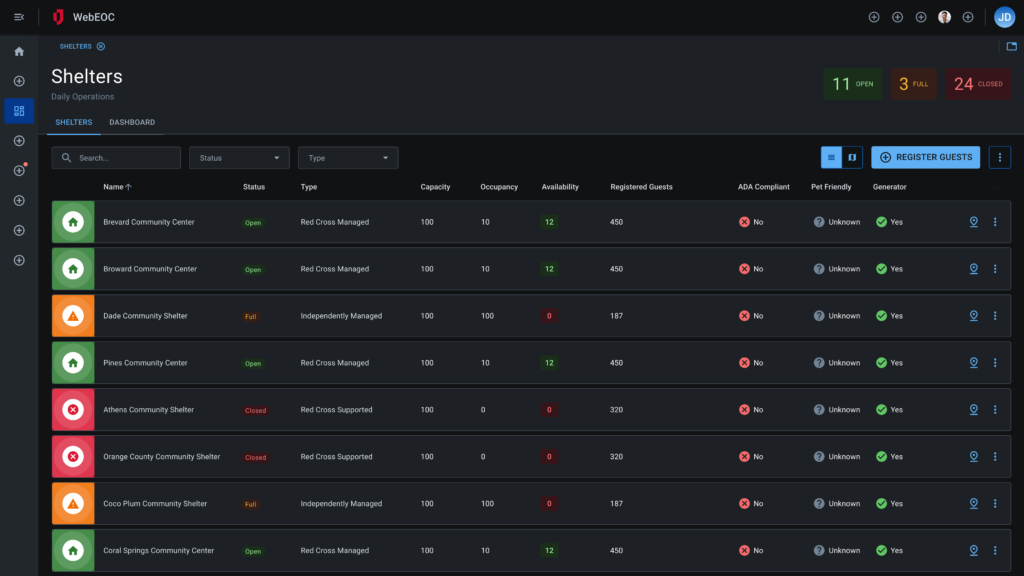
Several WebEOC boards and workflows are directly applicable to the operational needs of a wildfire response. The Significant Events and Activity Log views give EOC staff a running, timestamped record of fire behavior, evacuation zone changes, and resource commitments, maintaining a single operating picture as conditions shift by the hour. The Situation Report board consolidates updates from fire districts, law enforcement, and state agencies into a single, published SITREP, a necessity when uncontained fires and multiple jurisdictions are reporting simultaneously. The Requests/Tasks board routes mutual aid and resource requests, such as additional engines, aircraft, or shelter staffing, to the appropriate position for action and status tracking. The Road Closures board tracks evacuation routes and closures in real time, information that is critical when residents are moving out of an area under “go now” orders. And the Shelters board provides visibility into shelter locations, capacity, and status as evacuees are directed to safe locations across the region. Configured together, these boards give incident commanders and EOC staff a consolidated, real-time view of an incident that is otherwise being reported through dozens of disconnected channels.
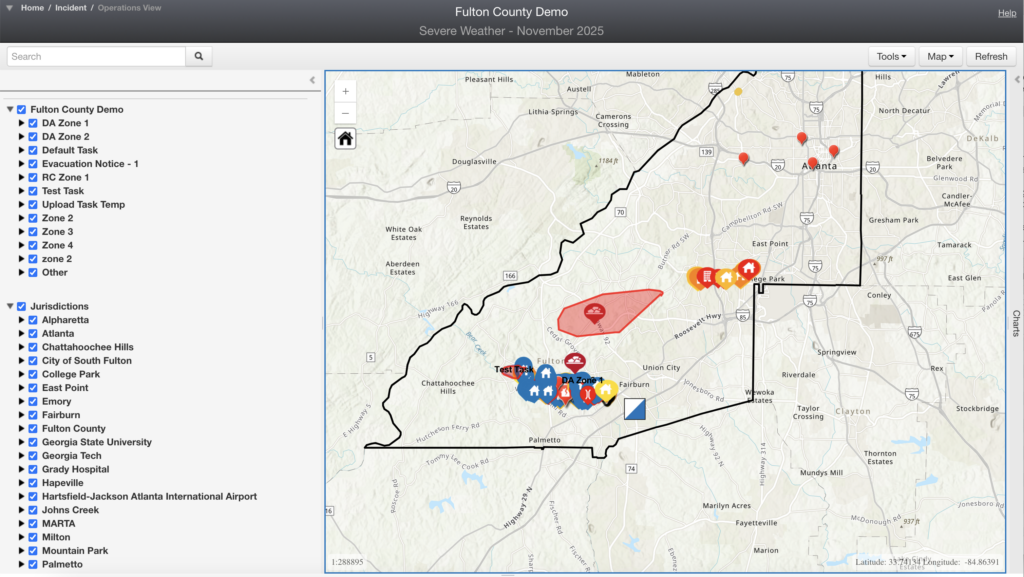
Recovery is where the platform’s role continues. Wildfires of this scale do not end when the flames are contained; they leave behind a long tail of damage assessment, insurance claims, permitting, and rebuilding that can take months or years. Crisis Track is built for this phase, giving field teams a standardized way to capture damage data, generate FEMA-compliant reports, and provide local governments with the documentation needed to unlock disaster assistance funding. When entire neighborhoods have been leveled, as has been reported in Spokane’s Balboa and Indian Trail areas, the speed and accuracy of damage assessment has a direct bearing on how quickly a jurisdiction can move toward rebuilding.
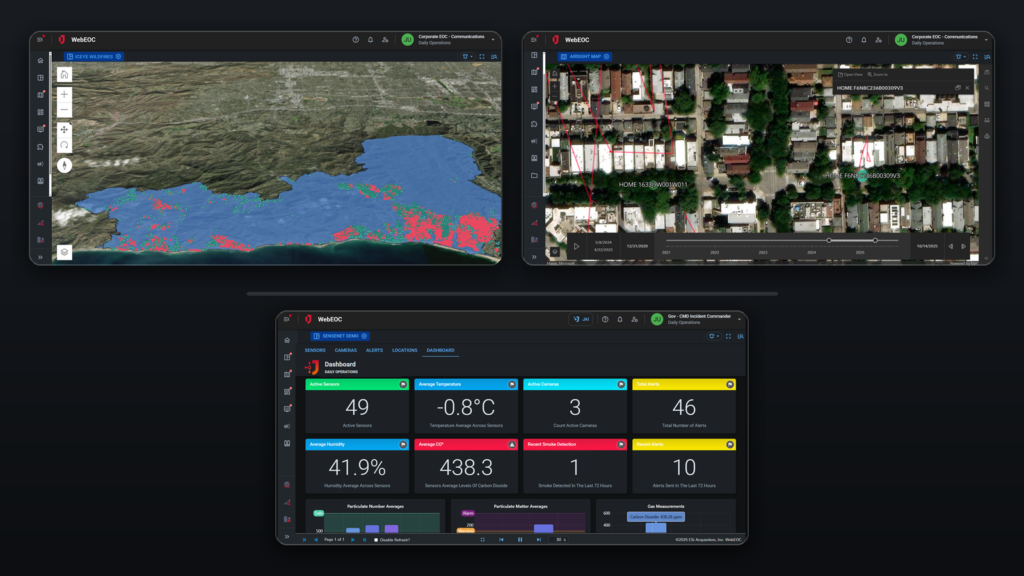
Beyond WebEOC and Crisis Track, Juvare’s network of technology partners adds capabilities that are particularly critical in wildfire response. SenseNet’s early wildfire detection technology can identify smoke and fire signatures before they escalate into a fast-moving, wind-driven event of the kind seen in Spokane, extending the window agencies have to mobilize. Once a fire is active, ICEYE’s synthetic aperture radar satellites provide all-weather, day-or-night observation capable of seeing through smoke plumes dense enough to degrade air quality across an entire region, a capability optical satellites and aircraft cannot match under those conditions. And AirSight extends situational awareness further by fusing aerial video, including footage from firefighting aircraft and drones conducting structure protection or damage assessment flights, into a live, common feed for incident commanders.
Individually, these tools address distinct problems: detection, coordination, all-conditions observation, and recovery documentation. Integrated through Juvare’s platform, they form a continuum that follows a wildfire from first detection through final rebuild. As wildfire seasons grow longer and more severe, and as fires increasingly move from wildland into dense residential areas the way Spokane’s did, that continuum is what allows emergency management organizations to operate with a consistent, shared picture across every phase of the incident.