
In a world where the trust in electoral processes is paramount, election integrity stands as a cornerstone of democratic governance. Ensuring that every vote is counted accurately, securely, and transparently is not just a technical challenge but a societal necessity. But what exactly is election integrity, and how do we achieve it in an increasingly complex and interconnected world?
Understanding Election Integrity
Election integrity encompasses a wide array of processes and safeguards designed to ensure that elections are conducted fairly, transparently, and without interference. It involves the protection of voter rights, the accurate counting of ballots, the secure transmission of results, and the prevention of fraud and manipulation. The goal is to maintain public confidence in the electoral process by ensuring that the outcome of an election truly reflects the will of the people.
Key Aspects of Election Integrity
- Voter Registration and Identification: Ensuring that voter rolls are accurate and up-to-date is a critical first step in safeguarding election integrity. This involves preventing the registration of ineligible voters while making it easy for eligible citizens to register and participate.
- Ballot Security: From the design of secure paper ballots to the protection of electronic voting machines, ballot security is essential to prevent tampering or unauthorized access. This includes the secure storage and transport of ballots to prevent any form of interference.
- Vote Counting and Reporting: The accuracy of vote counting is paramount. Whether it’s done manually or through automated systems, transparency and reliability are crucial. The reporting of results must also be secure, ensuring that no unauthorized modifications can occur.
- Transparency: Post-election audits and transparent processes help to verify the accuracy of the results and build public trust. This includes the ability to recount votes if necessary and to provide clear documentation of the entire process.
- Cybersecurity: In an age where cyber threats are increasingly sophisticated, protecting election systems from hacking, data breaches, and other cyberattacks is vital. This includes everything from the security of voter databases to the protection of websites used to report results.
The Role of Emergency Operations Centers (EOCs) in Election Integrity
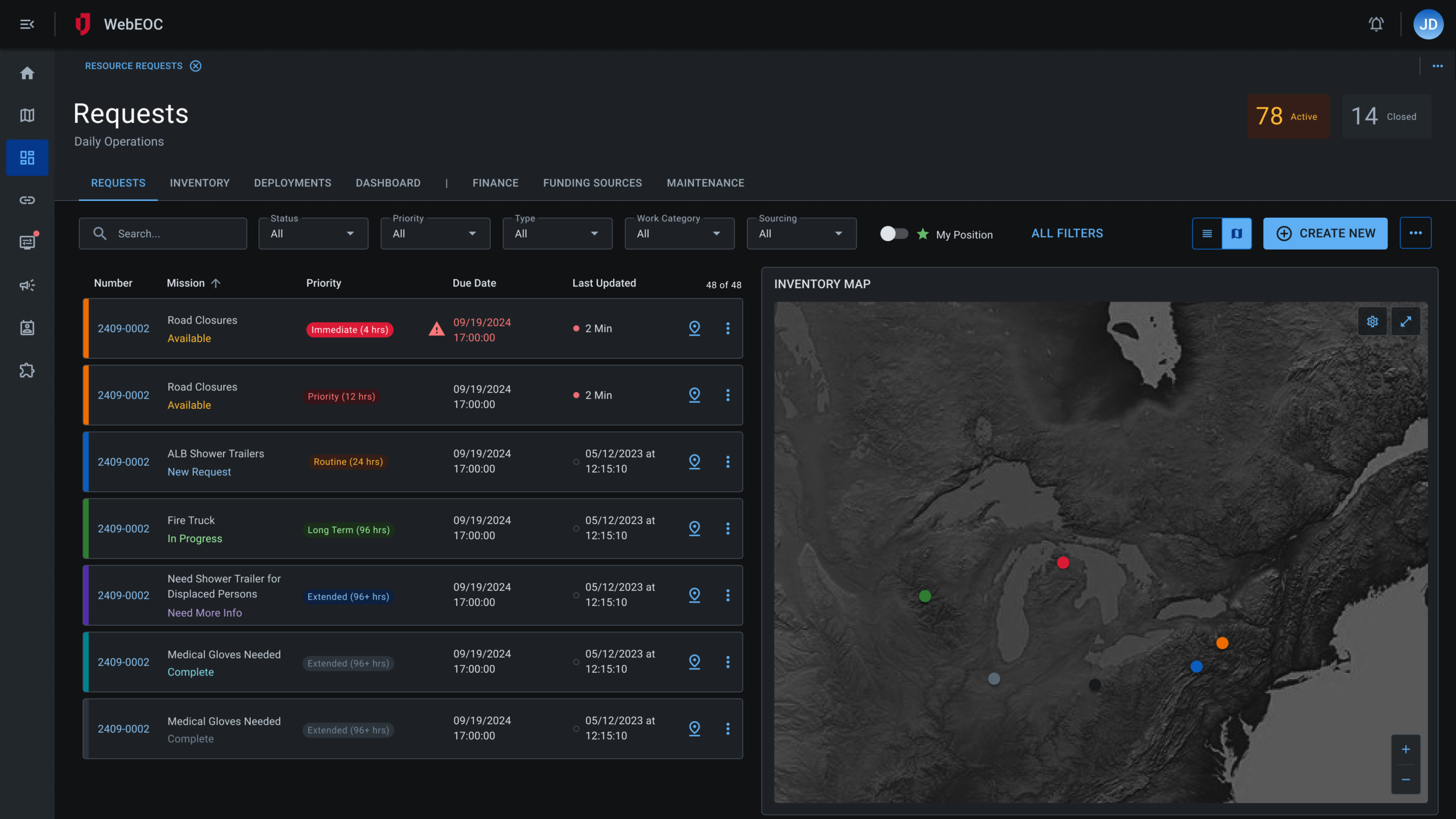
Emergency Operations Centers (EOCs) play a pivotal role in supporting election integrity. Across the country, these centers are increasingly implementing advanced solutions like WebEOC to manage and coordinate election-related activities. By providing a centralized platform for communication, monitoring, and decision-making, WebEOC ensures that all aspects of the election process are handled efficiently and securely.
One notable feature of WebEOC is its ability to track voter wait times in real time. This capability ensures that any complaints on social media about long wait times can be debunked or verified immediately, making the voting experience smoother and more transparent than ever. By providing real-time data, WebEOC helps election officials respond quickly to any issues that arise, thereby improving the overall efficiency and trustworthiness of the voting process.
For instance, EOCs can use WebEOC to track and respond to potential disruptions, such as natural disasters or security threats, that could impact the electoral process. They can also manage the logistics of ballot distribution and collection, ensuring that every step is documented and traceable. This level of coordination is essential for maintaining the integrity of the election process, especially in times of crisis.
FAQs About Election Integrity
What is the difference between election integrity and election security?
Election integrity has a broader definition than election security. While election security focuses on protecting the physical and digital infrastructure of an election (e.g., implementing safeguards to secure voter databases from cyberattacks), election integrity also encompasses policies that ensure fairness, transparency, and public trust in the democratic process. It also promotes equitable voter access, accurate registration, and safe post-election processes.
In other words, a fully secure election must also be transparent and accessible to achieve election integrity.
What is needed to achieve election integrity?
To ensure election integrity, election officials must build and maintain trust across every phase of the voting process. This includes:
- Accurate, up-to-date voter rolls: Election integrity demands continuous auditing of voter registrations to remove duplicates and update records when voters move or pass away.
- Physical security: Every voter must feel physically safe while casting their ballot. Using emergency management technology enables officials to monitor polling locations in real time, coordinate rapidly with local law enforcement or first responders in the event of disruptions, and ensure uninterrupted access to the polls during natural disasters, power outages, or localized emergencies.
- Ballot security: Election officials must maintain a strict, auditable chain of custody for every physical ballot.
- Accurate tallying: Voters must have confidence that their ballot is counted exactly as cast. This is achieved through transparent, multi-layered verification:
- Logic and Accuracy (L&A) Testing: Pre-election testing of all tabulation machines to prove they are counting correctly.
- Voter-Verified Paper Audit Trails (VVPAT): Ensuring that electronic voting machines produce a physical paper record that the voter can review before finalizing their vote.
- Post-Election Audits: Conducting routine audits, such as Risk-Limiting Audits (RLAs), which manually check a statistical sample of paper ballots against the machine tally to mathematically verify the outcome.
- Cybersecurity: Protecting the digital infrastructure of elections is critical to preventing unauthorized access, data breaches, or manipulation.
How does WebEOC enhance election integrity?
WebEOC Nexus is used by state and local governments across the country to:
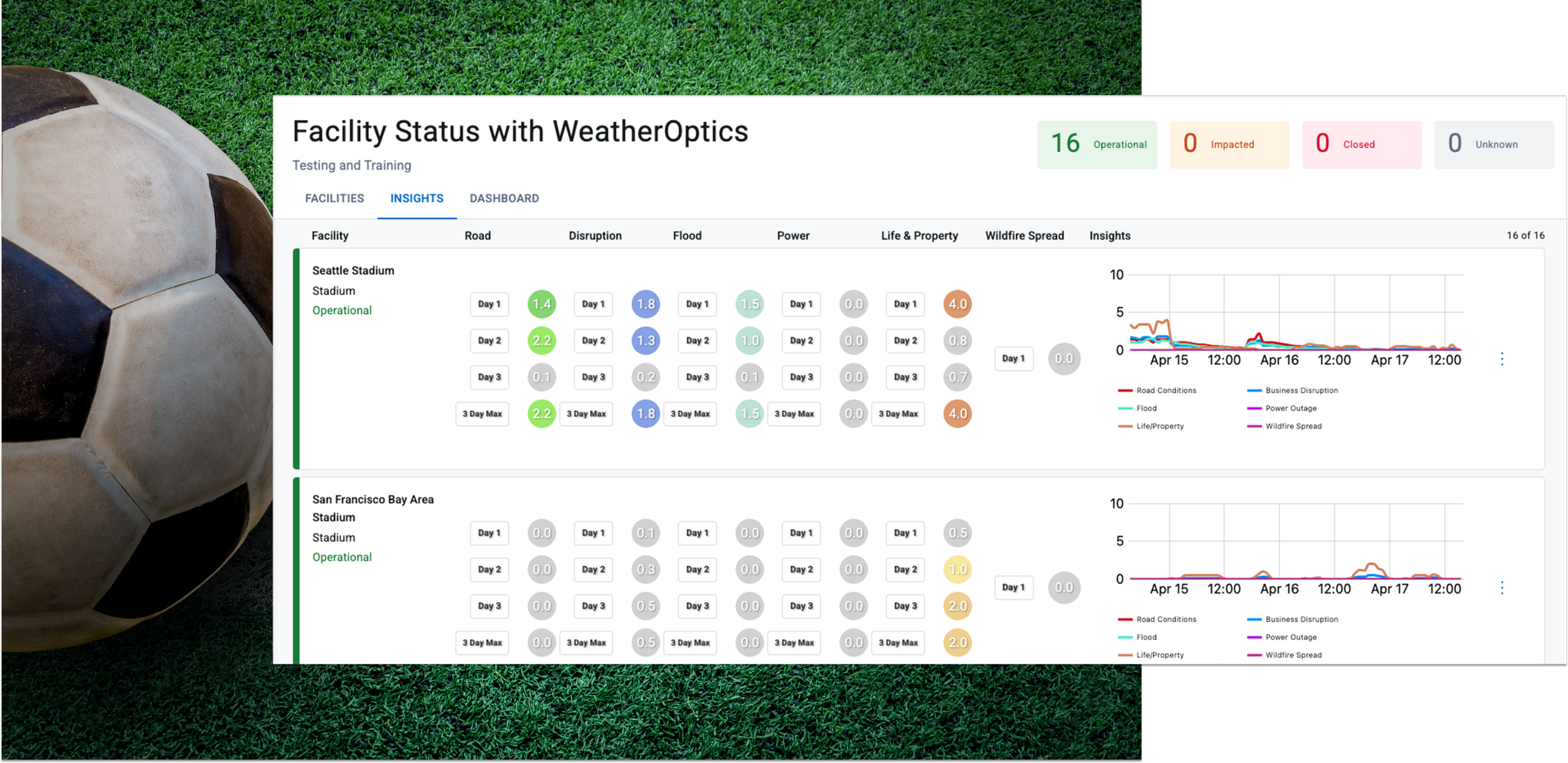
- Enhance situational awareness: WebEOC provides a centralized dashboard where decision-makers can monitor the health of an entire election jurisdiction in real time. If a power outage hits a particular polling location or lines get unusually long, officials can redirect voters as needed.
- Address emerging incidents: If an emergency occurs (such as a health crisis or an act of voter intimidation), users can contact the proper authorities immediately.
- Track resources and logistics: Election integrity relies heavily on logistics. If a precinct cannot vote because it is out of supplies, the integrity of the process is compromised. WebEOC can track the dispatch and arrival of emergency ballot paper, backup voting machines, or even basic supplies like privacy screens. Additionally, it can track ballot transfers once the polls close.
- Ensure continuity of operations: If a polling location becomes unusable, WebEOC coordinates the rapid deployment of a mobile voting unit or a temporary generator.
- Bridge cyber and physical security: WebEOC understands that modern elections need both physical and digital security. Our systems enable real-time tracking and communication about physical resources or threats, and they meet the stringent compliance standards for government data security.
How Juvare Supports Election Integrity
At Juvare, we are committed to providing the tools and technologies that empower EOCs and other organizations to uphold election integrity. Our Election Boards, part of the Premium Boards offering in WebEOC, are specifically designed to support election operations. These boards offer a range of features, including real-time monitoring, secure data transmission, and comprehensive reporting, all of which are essential for maintaining transparency and trust in the electoral process.
With Juvare’s solutions, EOCs can ensure that every aspect of the election process is managed with the highest level of security and efficiency. From initial planning to post-election audits, our technology helps safeguard the democratic process by providing the tools needed to respond to challenges, ensure accuracy, and maintain public confidence.
Election integrity is a complex and multifaceted challenge that requires a coordinated and well-planned approach. By understanding the key aspects of election integrity and leveraging advanced solutions like WebEOC, EOCs across the country are better equipped to ensure that elections are conducted fairly and securely. At Juvare, we are proud to support these efforts with our cutting-edge technology, helping to protect the foundation of democracy.
For more information on how Juvare’s products can support your election operations, visit our Election Boards page.
For more information please visit: